The Trump administration wants to put antifa on trial
The Trump Administration's Bid to Put Antifa On Trial: What It Means
The political landscape in the United States has long been a cauldron of competing ideologies, but few debates have sparked as much intense scrutiny and legal deliberation as the Trump administration's vocal desire to put Antifa on trial. This isn't just about rhetoric; it signaled a serious intention from the highest levels of government to confront a movement that they frequently labeled as a domestic terrorist organization, even without a formal legal mechanism to do so. The question at the heart of this contentious issue isn't simply whether Antifa can be tried, but rather, how such a complex, decentralized anti-fascist movement can be defined, prosecuted, and what the long-term implications are for protest, free speech, and civil liberties in America.
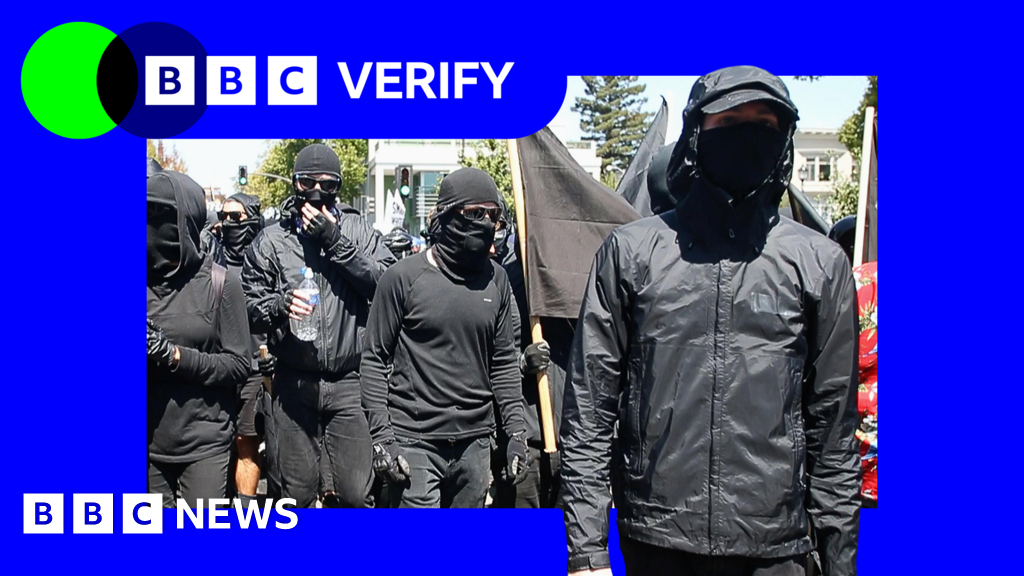
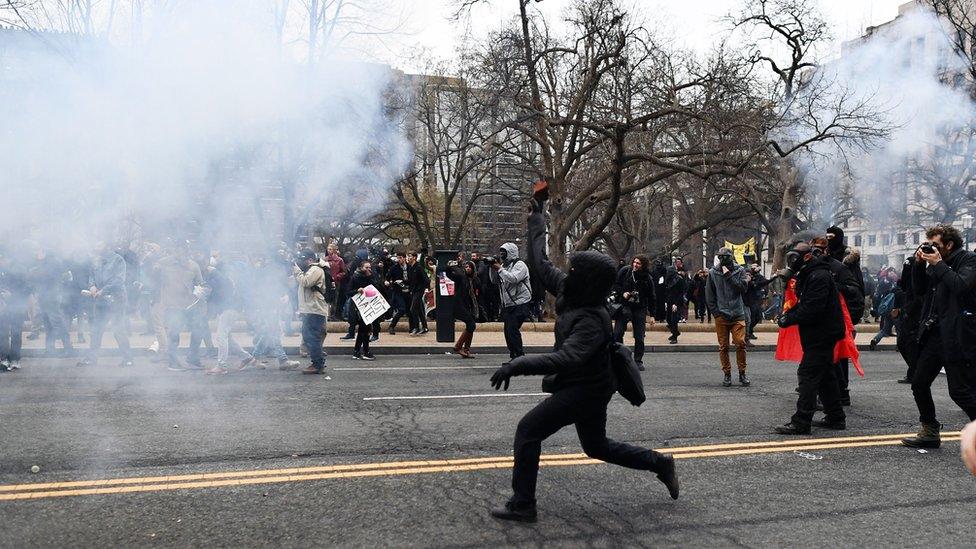
Imagine standing on a street corner, caught between two opposing forces. On one side, organized counter-protesters, often wearing black, some masked, advocating direct action against perceived fascism. On the other, various groups, including sometimes white nationalists or government supporters, often equally fervent. The air crackles with tension, chants echoing, flags waving. Suddenly, a skirmish breaks out – a thrown object, a shove, a shattered window. In that moment of chaos, it's easy to see how one side might accuse the other of terrorism, of inciting violence, or of undermining the very fabric of society. This raw, often visceral experience on the ground, witnessed repeatedly in cities like Portland, Seattle, and Washington D.C., formed the backdrop against which the Trump administration made its assertive claims about Antifa, fueling a debate that goes far beyond street brawls into the intricate realm of federal law and constitutional rights.
A Call to Action: The Administration's Stance and Legal Foundations
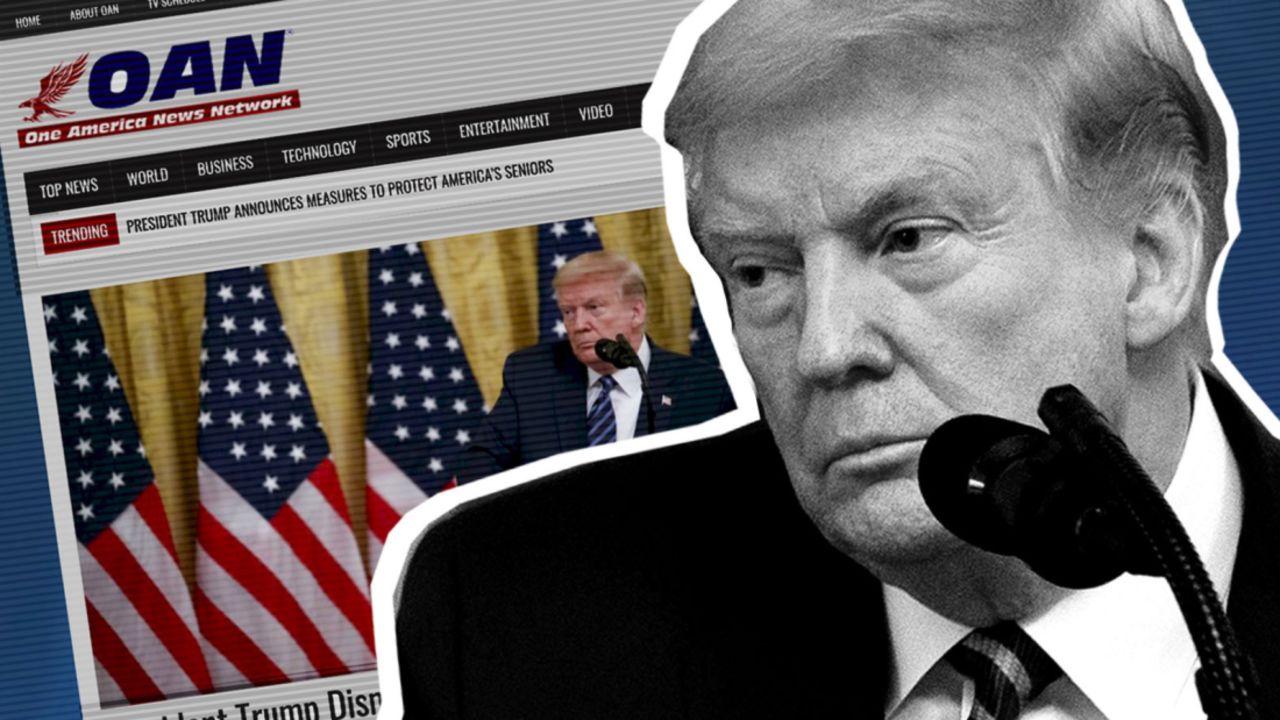
Throughout its term, especially during periods of civil unrest and heightened racial justice protests, the Trump administration consistently framed Antifa as a primary instigator of violence and disorder. President Trump himself repeatedly called for Antifa to be designated a "terrorist organization," often through tweets and public statements. This rhetoric wasn't merely political posturing; it was a clear signal to the Department of Justice (DOJ) to investigate and pursue legal avenues against individuals associated with the movement.
Attorney General William Barr, a key figure in the administration's "law and order" agenda, echoed these sentiments. Barr stated that the DOJ was treating violence perpetrated by Antifa and similar groups as "domestic terrorism." While the U.S. has robust laws against foreign terrorist organizations, there is no specific federal statute that allows the government to designate a *domestic* group as a terrorist entity, let alone put an entire, often leaderless movement "on trial." This legal gap presented a significant challenge to the administration's stated goals.
The administration's focus on Antifa often intensified following high-profile incidents of property damage, arson, and physical altercations during protests. For instance, events in cities like Portland, Oregon, where clashes between protesters, counter-protesters, and federal agents became routine, were frequently cited by the White House as evidence of Antifa's destructive agenda. The deployment of federal law enforcement to these cities, often against the wishes of local officials, further underscored the administration's aggressive stance and its determination to intervene.
Despite the strong rhetoric, the practical application of federal law against Antifa members remained complex. Instead of designating the group, federal prosecutors typically relied on existing statutes to charge individuals for specific criminal acts committed during protests. These charges included assault, arson, property destruction, and rioting, drawing upon laws that don't require the label of "terrorist organization." This approach navigated the legal limitations but also highlighted the inherent difficulty in broadly prosecuting a diffuse, decentralized network rather than specific, identifiable actors.
The Complexities of Prosecution: Free Speech, Organization, and Evidence
The notion of putting Antifa "on trial" immediately runs into significant legal and definitional hurdles. One of the primary challenges is that Antifa is not a singular, formal organization with a membership roster, elected leaders, or a clear hierarchical structure. Instead, it's largely considered a decentralized, anti-fascist political movement or ideology comprising various autonomous groups and individuals who share a common opposition to fascism, white supremacy, and authoritarianism. This amorphous nature makes it incredibly difficult to prosecute as a monolithic entity.
The First Amendment to the U.S. Constitution, which protects freedom of speech and assembly, presents another formidable barrier. While the First Amendment does not protect violence or criminal acts, it does protect the right to associate and express political views, even those that are unpopular or controversial. Prosecutors would need to prove that individuals committed specific criminal acts, not merely that they identify with Antifa's ideology. The line between protected protest and criminal behavior is often blurred in the heat of the moment, creating a high bar for federal intervention.
Legal experts and civil liberties advocates have consistently raised concerns that attempts to broadly target Antifa could infringe upon fundamental constitutional rights. Critics argue that criminalizing an ideology or a loose movement risks chilling legitimate protest and setting a dangerous precedent for future administrations to target other activist groups they deem undesirable. The principle of due process dictates that individuals should be held accountable for their own actions, not for the actions of others with whom they might share a vague affiliation.
Furthermore, gathering sufficient evidence to connect individual acts of violence or property damage to a broader conspiratorial effort by "Antifa" is an arduous task. Proving intent and coordination among loosely affiliated individuals who might share tactics but not necessarily a unified command structure is a significant evidentiary challenge. The burden of proof in federal criminal cases is high, requiring prosecutors to demonstrate guilt beyond a reasonable doubt, making broad, ideologically driven prosecutions exceedingly difficult to secure.
Political Battleground: Implications and Public Reaction
The Trump administration's focus on Antifa was not solely a legal endeavor; it was also a potent political strategy, especially in an election year marked by social unrest. By portraying Antifa as a dangerous, radical left-wing force, the administration aimed to mobilize its base, appeal to voters concerned about "law and order," and draw a clear contrast with what it characterized as a weak response from Democratic leaders. This narrative served to frame the protests as anarchy orchestrated by extremist elements rather than legitimate expressions of dissent.
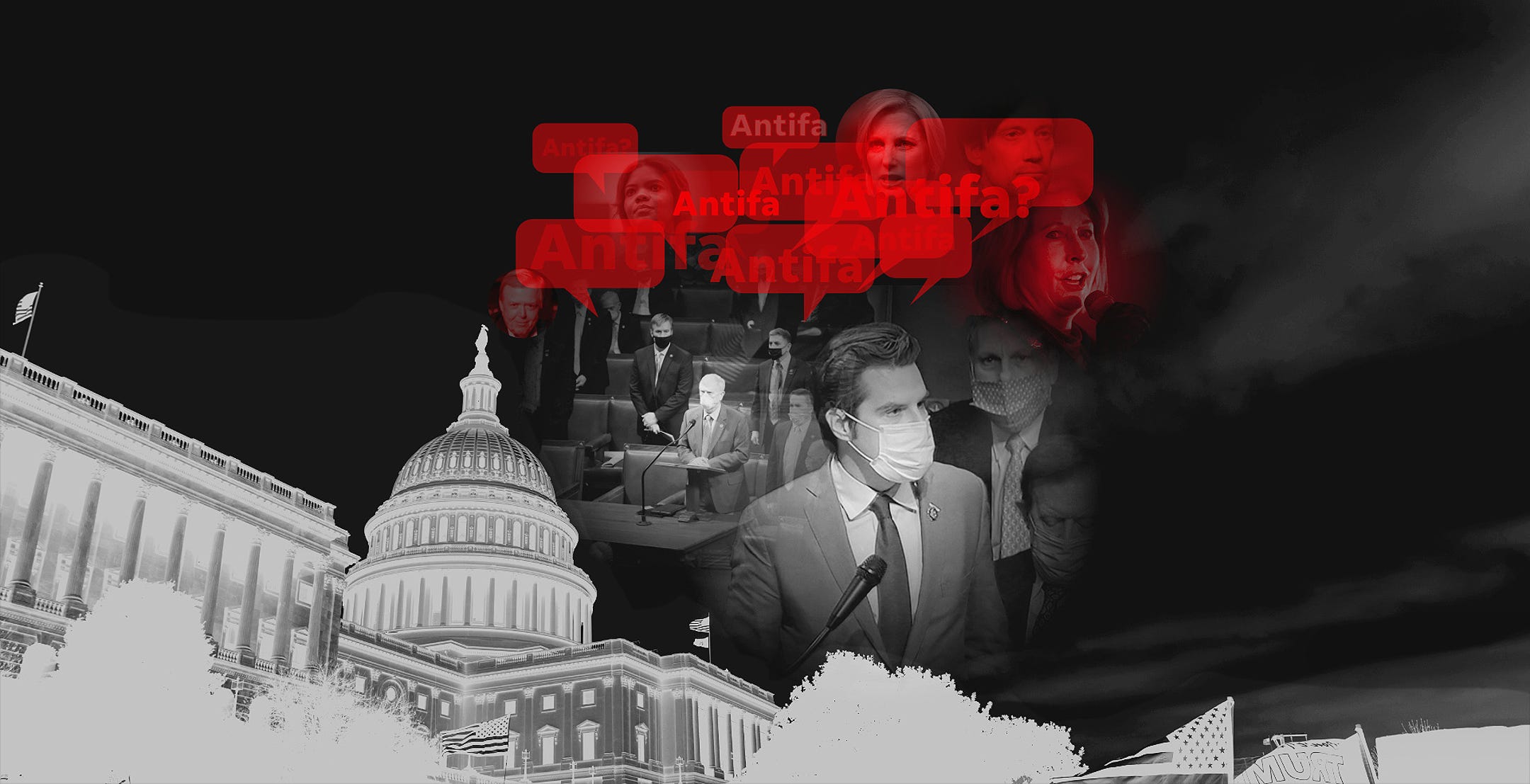
Public reaction to the administration's stance was predictably divided along partisan lines. Supporters of President Trump often viewed Antifa as a genuinely destructive force, responsible for much of the urban unrest, and believed strong federal action was necessary to restore order. They saw the calls for prosecution as a righteous defense of American values and property. This perspective was frequently amplified by conservative media outlets, which often highlighted instances of violence and vandalism associated with Antifa.
Conversely, civil liberties groups, many Democratic politicians, and a significant portion of the public expressed deep concern over the administration's rhetoric. They argued that labeling a broad anti-fascist movement as "terrorist" was an attempt to delegitimize legitimate protest, distract from underlying social injustices, and potentially weaponize the justice system against political opponents. Critics also pointed out the historical context of anti-fascist movements, arguing that equating them with terrorism was a dangerous distortion.
The debate also had a chilling effect on political discourse. Fear of being associated with "Antifa" – and thus potentially subject to federal scrutiny – could deter some individuals from participating in protests or expressing dissenting views. On the other hand, for those who embraced the label, it could serve as a badge of honor, further polarizing the political landscape and entrenching opposing sides. The discussion about Antifa became a microcosm of the broader culture wars plaguing the nation.
Looking Ahead: The Future of Activism and Federal Intervention
With the change in administration, the direct and overt calls to "put Antifa on trial" have largely receded from the White House's official discourse. However, the legal and philosophical questions raised by the Trump administration's aggressive stance continue to linger, shaping the ongoing debate about domestic extremism, protest movements, and the appropriate scope of federal intervention.
While the Biden administration has shifted its focus to addressing a broader range of domestic extremist threats, including white supremacists and far-right militias, the legal precedents and operational strategies for dealing with protest-related violence remain relevant. Individual acts of violence, property destruction, and other criminal behavior committed during protests will continue to be prosecuted under existing federal and state laws, regardless of the perpetrators' affiliations.
The saga of the Trump administration's bid to put Antifa on trial serves as a critical case study in the tension between national security concerns, civil liberties, and the ever-evolving nature of political activism. It underscored the difficulty of applying traditional legal frameworks to decentralized movements and highlighted the dangers of blurring the lines between ideology, association, and criminal conduct.
Ultimately, the debate is not just about Antifa; it's about how the U.S. government defines and responds to internal dissent and opposition, particularly when it escalates into civil unrest. The questions posed during that period – about the legal definition of a domestic terrorist organization, the protection of free speech, and the role of federal authorities in local policing – will undoubtedly continue to shape legal discourse and public policy for years to come, long after the specific rhetoric of any single administration fades.
The Trump administration wants to put antifa on trial
The Trump administration wants to put antifa on trial Wallpapers
Collection of the trump administration wants to put antifa on trial wallpapers for your desktop and mobile devices.

Detailed The Trump Administration Wants To Put Antifa On Trial Photo Photography
Experience the crisp clarity of this stunning the trump administration wants to put antifa on trial image, available in high resolution for all your screens.

Breathtaking The Trump Administration Wants To Put Antifa On Trial Abstract in 4K
Explore this high-quality the trump administration wants to put antifa on trial image, perfect for enhancing your desktop or mobile wallpaper.

Dynamic The Trump Administration Wants To Put Antifa On Trial Landscape Digital Art
This gorgeous the trump administration wants to put antifa on trial photo offers a breathtaking view, making it a perfect choice for your next wallpaper.
Spectacular The Trump Administration Wants To Put Antifa On Trial Wallpaper Illustration
Immerse yourself in the stunning details of this beautiful the trump administration wants to put antifa on trial wallpaper, designed for a captivating visual experience.

Gorgeous The Trump Administration Wants To Put Antifa On Trial Abstract in 4K
Immerse yourself in the stunning details of this beautiful the trump administration wants to put antifa on trial wallpaper, designed for a captivating visual experience.
Vibrant The Trump Administration Wants To Put Antifa On Trial Moment Concept
Explore this high-quality the trump administration wants to put antifa on trial image, perfect for enhancing your desktop or mobile wallpaper.

High-Quality The Trump Administration Wants To Put Antifa On Trial Scene in 4K
Discover an amazing the trump administration wants to put antifa on trial background image, ideal for personalizing your devices with vibrant colors and intricate designs.
Gorgeous The Trump Administration Wants To Put Antifa On Trial Capture for Mobile
This gorgeous the trump administration wants to put antifa on trial photo offers a breathtaking view, making it a perfect choice for your next wallpaper.

Lush The Trump Administration Wants To Put Antifa On Trial View Collection
A captivating the trump administration wants to put antifa on trial scene that brings tranquility and beauty to any device.

Stunning The Trump Administration Wants To Put Antifa On Trial Picture Illustration
Immerse yourself in the stunning details of this beautiful the trump administration wants to put antifa on trial wallpaper, designed for a captivating visual experience.

Vivid The Trump Administration Wants To Put Antifa On Trial Background Nature
Transform your screen with this vivid the trump administration wants to put antifa on trial artwork, a true masterpiece of digital design.

Serene The Trump Administration Wants To Put Antifa On Trial Photo in 4K
Explore this high-quality the trump administration wants to put antifa on trial image, perfect for enhancing your desktop or mobile wallpaper.
:max_bytes(150000):strip_icc():focal(753x340:755x342)/donald-trump-Antifa-Explainer-092325-55e323a23a77433ea83b63847ff5668b.jpg "Stunning The Trump Administration Wants To Put Antifa On Trial Moment Digital Art")
Stunning The Trump Administration Wants To Put Antifa On Trial Moment Digital Art
This gorgeous the trump administration wants to put antifa on trial photo offers a breathtaking view, making it a perfect choice for your next wallpaper.
Crisp The Trump Administration Wants To Put Antifa On Trial Scene Art
Find inspiration with this unique the trump administration wants to put antifa on trial illustration, crafted to provide a fresh look for your background.
Artistic The Trump Administration Wants To Put Antifa On Trial Image Collection
Immerse yourself in the stunning details of this beautiful the trump administration wants to put antifa on trial wallpaper, designed for a captivating visual experience.

Spectacular The Trump Administration Wants To Put Antifa On Trial View for Mobile
Find inspiration with this unique the trump administration wants to put antifa on trial illustration, crafted to provide a fresh look for your background.

Beautiful The Trump Administration Wants To Put Antifa On Trial Scene for Desktop
Transform your screen with this vivid the trump administration wants to put antifa on trial artwork, a true masterpiece of digital design.

Gorgeous The Trump Administration Wants To Put Antifa On Trial Picture Digital Art
A captivating the trump administration wants to put antifa on trial scene that brings tranquility and beauty to any device.

Crisp The Trump Administration Wants To Put Antifa On Trial View Nature
This gorgeous the trump administration wants to put antifa on trial photo offers a breathtaking view, making it a perfect choice for your next wallpaper.

Artistic The Trump Administration Wants To Put Antifa On Trial Wallpaper for Mobile
Immerse yourself in the stunning details of this beautiful the trump administration wants to put antifa on trial wallpaper, designed for a captivating visual experience.
Download these the trump administration wants to put antifa on trial wallpapers for free and use them on your desktop or mobile devices.
Post a Comment for "The Trump administration wants to put antifa on trial"