Fewer fresh graduates found work within 6 months in 2025; median salary held steady at S$4,500: Survey
Fewer fresh graduates found work within 6 months in 2025; median salary held steady at S$4,500: Survey
The latest Graduate Employment Survey (GES) has sent ripples through Singapore's higher education landscape, revealing a cooling labor market for the Class of 2025. While the prestige of a local university degree remains high, the transition from lecture halls to corporate offices is becoming increasingly steep. For the third consecutive year, employment rates for fresh graduates have dipped, reflecting a global trend of cautious hiring and economic recalibration. Despite these headwinds, there is a silver lining for those entering the workforce: the median starting salary has shown remarkable resilience, anchoring itself firmly at S$4,500. This suggests that while jobs are harder to come by, the value placed on high-quality entry-level talent remains high in Singapore's competitive economy.
According to the 2025 Joint Autonomous Universities Graduate Employment Survey, the proportion of fresh graduates who secured employment within six months of their final examinations fell to 88.9 per cent, down from 91.2 per cent in 2024. More significantly, full-time permanent employment saw a sharp decline from 79.4 per cent to 74.4 per cent. Despite the tighter job market, the median gross monthly salary for those in full-time permanent roles held steady at S$4,500, matching the previous year's record high.
Understanding the 2025 Graduate Employment Landscape
The 2025 survey results reflect a broader shift in the Singaporean labor market. For years, fresh graduates enjoyed a relatively smooth entry into the workforce, often fielding multiple offers before their graduation gowns were even dry. However, the post-pandemic hiring surge has clearly moderated. The six autonomous universities—NUS, NTU, SMU, SUTD, SIT, and SUSS—noted that the reduction in job vacancies is driven by reduced employee churn and a more cautious sentiment among employers facing geopolitical uncertainties and slow global growth.
This year's survey also introduced a new categorization method. Instead of the traditional "employed vs. unemployed" split, graduates are now categorized by whether they have "secured employment." This includes those already working, those who have accepted offers but have yet to start, and those taking steps to launch their own businesses. Even with this more inclusive definition, the downward trend in employment success is evident, highlighting the need for graduates to be more strategic and resilient than ever before.
The S$4,500 Question: Why Salaries Remain Resilient
It might seem counterintuitive that salaries remain at peak levels while employment rates fall. Typically, a surplus of job seekers would drive down wages. However, Singapore's market for fresh graduates is nuanced. Employers are becoming more selective, prioritizing candidates who possess specific, high-demand skills. Those who do clear the higher hiring bar are being compensated at rates that reflect their potential value to the organization.
The stability of the S$4,500 median salary also reflects the high concentration of graduates in growth sectors. Industries such as Health Sciences, Information and Digital Technologies, and Finance continue to pay competitive starting wages. For example, graduates in Information and Digital Technologies still command a median salary of S$5,500, significantly pulling up the overall average. This wage floor provides a level of economic security for those who manage to secure roles, even as the search duration lengthens.
Sectors Showing Strength Amid the Slowdown
While the overall numbers show a decline, a closer look at course clusters reveals significant variation. Not all degrees are created equal in the eyes of the 2025 labor market. Health Sciences, Built Environment, and Information Technology remain the most robust clusters, with full-time employment rates ranging from 78 per cent to nearly 90 per cent. These sectors are less sensitive to the cyclical fluctuations of the global economy and are driven by long-term structural needs, such as an aging population and digital transformation.
In contrast, outward-oriented sectors like Information and Communications have seen more subdued hiring compared to the tech boom years. This reflects a global "right-sizing" in the tech industry, where companies are moving away from hyper-growth strategies toward sustainable profitability. For graduates in these fields, the competition is no longer just with their peers, but also with experienced professionals who may have been displaced during recent layoffs.
The Rise of Underemployment and Involuntary Part-Time Work
One of the more concerning statistics in the 2025 survey is the rise in graduates taking on part-time or temporary roles. The share of graduates in such positions grew to 7.2 per cent, up from 6 per cent in 2024. Crucially, the proportion of "involuntary" part-time workers—those who want a full-time job but cannot find one—increased to 3.1 per cent. This indicates a growing gap between graduate aspirations and market reality.
Underemployment is a "hidden" form of unemployment that can have long-term effects on career trajectory. Graduates who start in roles below their skill level may find it harder to pivot into professional tracks later. However, some economists suggest that in a tight market, any work experience is better than none. Temporary roles and traineeships can provide the necessary bridge to permanent employment as economic conditions improve.
| Course Cluster (2025) | Full-Time Employment Rate |
|---|---|
| Information & Digital Technologies | 78.3% |
| Health Sciences | 89.2% |
| Business | 77.8% |
| Engineering | 72.1% |
| Arts, Design & Media | 50.0% |
Government and University Support Initiatives
Recognizing the challenges faced by the Class of 2025, the Singapore government and local universities have ramped up support. The Ministry of Manpower recently announced the Graduate Industry Traineeships scheme, which offers government-sponsored roles in both private and public sectors. These traineeships provide a monthly allowance and, more importantly, the industry exposure that many graduates lack due to the competitive internship market.
Universities have also stepped up their career services. From personalized coaching to curated job fairs and direct referrals, the focus has shifted from mere job matching to long-term career resilience. Graduates are being encouraged to leverage alumni networks and take advantage of continuing education modules to stay relevant. The message is clear: the degree is just the beginning, and lifelong learning is the new prerequisite for career stability.
The Impact of AI and Automation on Entry-Level Roles
A significant factor contributing to the cautious hiring sentiment is the rapid integration of Generative AI. For the first time, junior-level tasks that were traditionally the "bread and butter" of fresh graduates—such as basic data entry, report drafting, and administrative support—are being automated. This structural shift means that employers are looking for graduates who can do more than just follow instructions; they want "AI-literate" talent who can augment their productivity using these new tools.
While AI poses a threat to some roles, it also creates new opportunities. Graduates who can bridge the gap between technical possibility and business application are in high demand. The challenge for the Class of 2025 and beyond is to move "up the value chain" faster than previous generations. Skills like critical thinking, complex problem-solving, and emotional intelligence are becoming the new markers of "employability" in an increasingly automated world.
Comparing 2025 to Historical Labor Market Trends
To put the 2025 results in perspective, it is helpful to look back at previous downturns. The current employment rate of 88.9 per cent, while lower than recent years, is still significantly higher than levels seen during the Global Financial Crisis or the height of the COVID-19 pandemic. Singapore's labor market remains one of the tightest in the world, with overall unemployment rates staying relatively low. The current "softness" is better described as a return to a more balanced market rather than a full-blown crisis.
Historically, graduate employment outcomes tend to improve significantly beyond the six-month mark. Data from the 2024 cohort showed that while their initial employment rate was lower than the previous year, nearly 95 per cent had wage records by the 12-month mark. This suggests that for many fresh graduates, the issue is not a lack of jobs, but a longer "search and match" process as both employers and candidates become more discerning.
Long-term Outlook for the Class of 2026
As the Class of 2026 prepares to enter the market, the lessons from 2025 are invaluable. The era of easy placement is likely over, replaced by a market that rewards agility, specialization, and early career planning. Students are advised to secure internships as early as possible and to look beyond the traditional "Big Name" firms. Small and Medium Enterprises (SMEs) and startups often offer more hands-on experience and a faster route to responsibility, which can be a significant advantage in future job searches.
Furthermore, the steady median salary indicates that Singapore remains a lucrative place for high-skilled talent. The divergence in earnings between top-tier sectors and general roles will likely continue to widen. Graduates who aim for a high-growth trajectory must be prepared to invest in their own development and stay attuned to emerging trends like regionalization and green economy transitions. The job market of 2026 will be defined by those who can adapt to change rather than those who simply wait for it to pass.
Frequently Asked Questions (FAQ)
1. Why did the graduate employment rate drop in 2025?
The drop is attributed to a more cautious hiring sentiment among employers due to global economic uncertainty, geopolitical tensions, and a moderation of the post-pandemic hiring surge.
2. Is the median salary of S$4,500 the same for all courses?
No, S$4,500 is the overall median. Some clusters like Information and Digital Technologies have a higher median (S$5,500), while others like Arts, Design and Media are lower (S$3,840).
3. What does "secured employment" mean in the new survey format?
It includes graduates who are working (full-time, part-time, or freelance), those who have accepted a job offer but haven't started, and those taking steps to start a business.
4. Are there enough jobs for fresh graduates in Singapore?
While the full-time permanent employment rate has dipped, nine in ten graduates still secure some form of work within six months. There are still entry-level roles, particularly in growth sectors like health and finance.
5. How can fresh graduates improve their chances of getting hired?
Graduates should focus on gaining practical skills through internships, staying AI-literate, and utilizing university career services for coaching and networking opportunities.
Conclusion
The 2025 Graduate Employment Survey serves as a reality check for the next generation of Singapore's workforce. The data clearly shows that the path to a full-time career is becoming more complex, requiring more than just academic excellence. However, the stability of the S$4,500 median salary remains a powerful indicator of the long-term value of a university education. While the immediate search may be tougher, the rewards for those who persevere and adapt are as high as ever. By staying agile, leveraging support systems, and embracing the changing nature of work, Singapore's fresh graduates can navigate this cautious market and build successful, high-impact careers in the years to come.
https://www.youtube.com/watch?v=kYJv1zT0z-4Fewer fresh graduates found work within 6 months in 2025; median salary held steady at S$4,500: Survey
Fewer fresh graduates found work within 6 months in 2025; median salary held steady at S$4,500: Survey Wallpapers
Collection of fewer fresh graduates found work within 6 months in 2025; median salary held steady at s$4,500: survey wallpapers for your desktop and mobile devices.
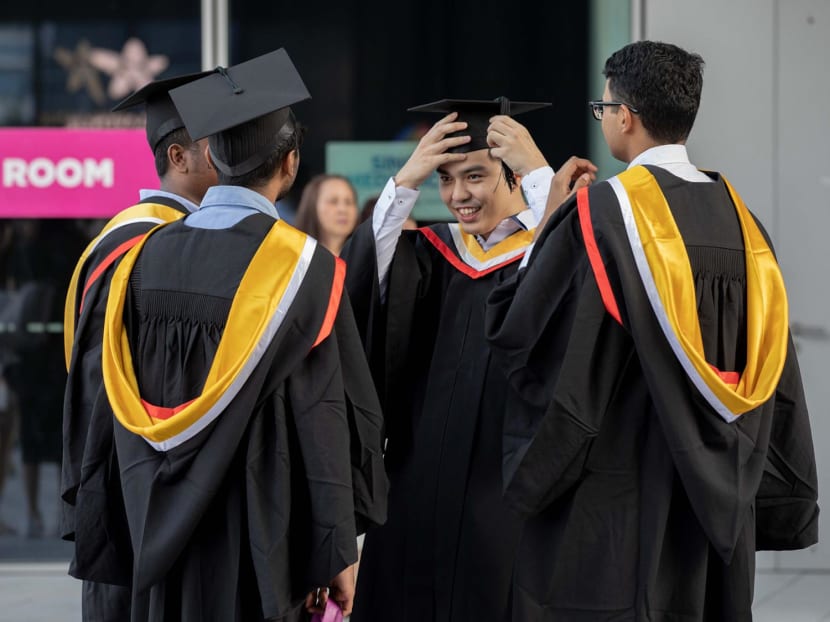
Spectacular Fewer Fresh Graduates Found Work Within 6 Months In 2025; Median Salary Held Steady At S$4,500: Survey Artwork Digital Art
Immerse yourself in the stunning details of this beautiful fewer fresh graduates found work within 6 months in 2025; median salary held steady at s$4,500: survey wallpaper, designed for a captivating visual experience.

Mesmerizing Fewer Fresh Graduates Found Work Within 6 Months In 2025; Median Salary Held Steady At S$4,500: Survey Background for Your Screen
Explore this high-quality fewer fresh graduates found work within 6 months in 2025; median salary held steady at s$4,500: survey image, perfect for enhancing your desktop or mobile wallpaper.

Beautiful Fewer Fresh Graduates Found Work Within 6 Months In 2025; Median Salary Held Steady At S$4,500: Survey Picture in 4K
Experience the crisp clarity of this stunning fewer fresh graduates found work within 6 months in 2025; median salary held steady at s$4,500: survey image, available in high resolution for all your screens.

Artistic Fewer Fresh Graduates Found Work Within 6 Months In 2025; Median Salary Held Steady At S$4,500: Survey Design for Mobile
Find inspiration with this unique fewer fresh graduates found work within 6 months in 2025; median salary held steady at s$4,500: survey illustration, crafted to provide a fresh look for your background.

Gorgeous Fewer Fresh Graduates Found Work Within 6 Months In 2025; Median Salary Held Steady At S$4,500: Survey Artwork for Desktop
Immerse yourself in the stunning details of this beautiful fewer fresh graduates found work within 6 months in 2025; median salary held steady at s$4,500: survey wallpaper, designed for a captivating visual experience.

Artistic Fewer Fresh Graduates Found Work Within 6 Months In 2025; Median Salary Held Steady At S$4,500: Survey Moment in 4K
Immerse yourself in the stunning details of this beautiful fewer fresh graduates found work within 6 months in 2025; median salary held steady at s$4,500: survey wallpaper, designed for a captivating visual experience.
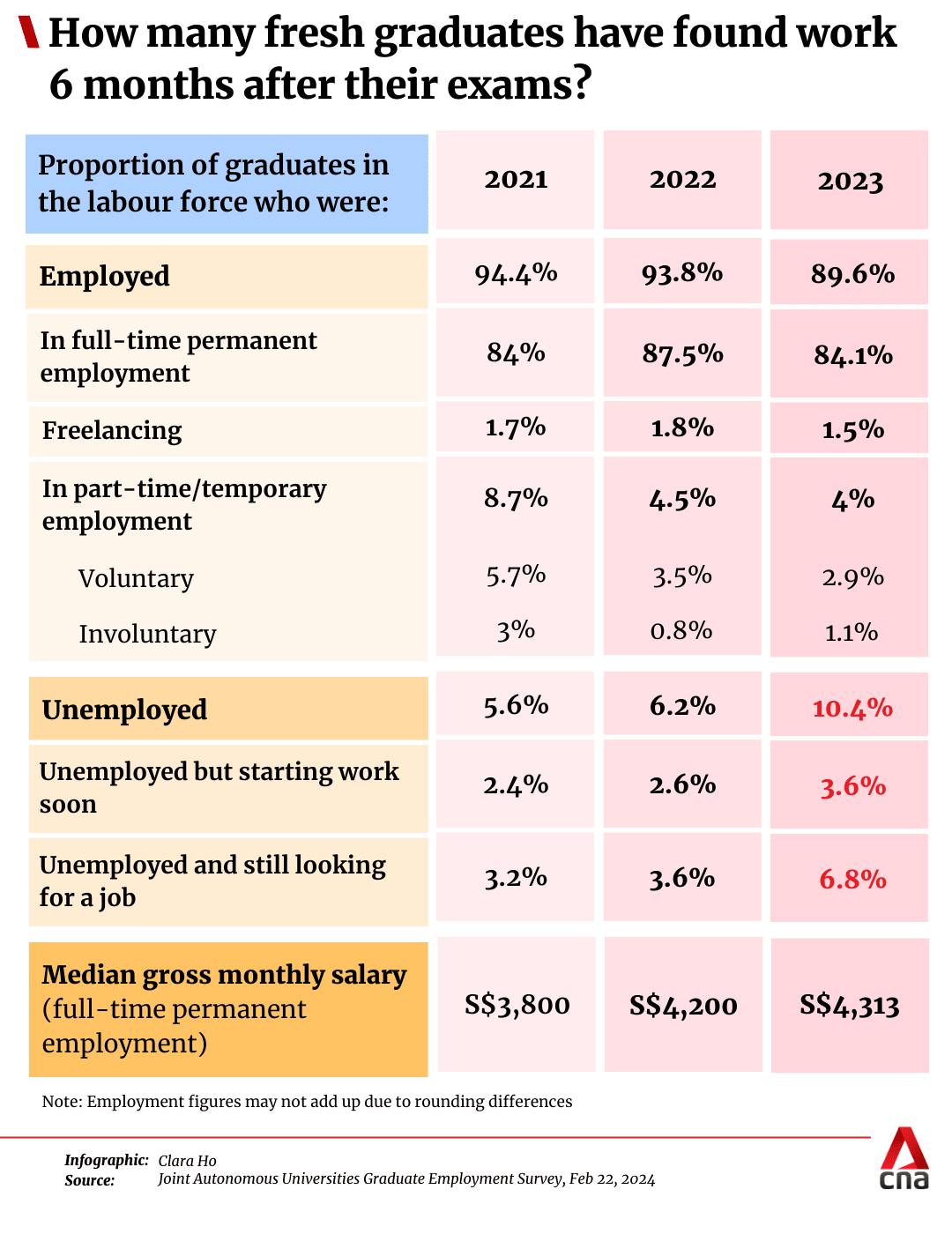
Breathtaking Fewer Fresh Graduates Found Work Within 6 Months In 2025; Median Salary Held Steady At S$4,500: Survey Landscape Nature
Discover an amazing fewer fresh graduates found work within 6 months in 2025; median salary held steady at s$4,500: survey background image, ideal for personalizing your devices with vibrant colors and intricate designs.

Vivid Fewer Fresh Graduates Found Work Within 6 Months In 2025; Median Salary Held Steady At S$4,500: Survey Moment Collection
Transform your screen with this vivid fewer fresh graduates found work within 6 months in 2025; median salary held steady at s$4,500: survey artwork, a true masterpiece of digital design.
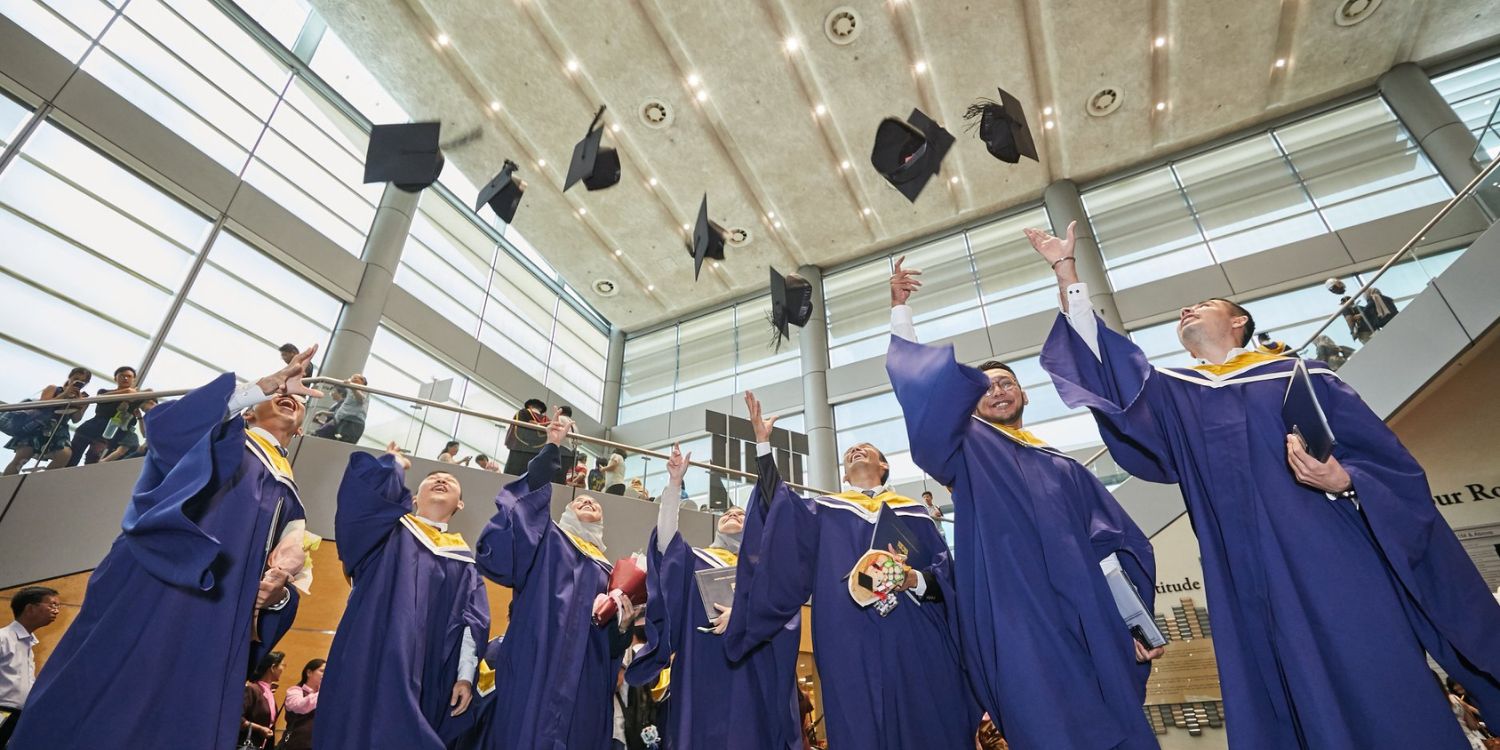
Mesmerizing Fewer Fresh Graduates Found Work Within 6 Months In 2025; Median Salary Held Steady At S$4,500: Survey View Collection
Transform your screen with this vivid fewer fresh graduates found work within 6 months in 2025; median salary held steady at s$4,500: survey artwork, a true masterpiece of digital design.
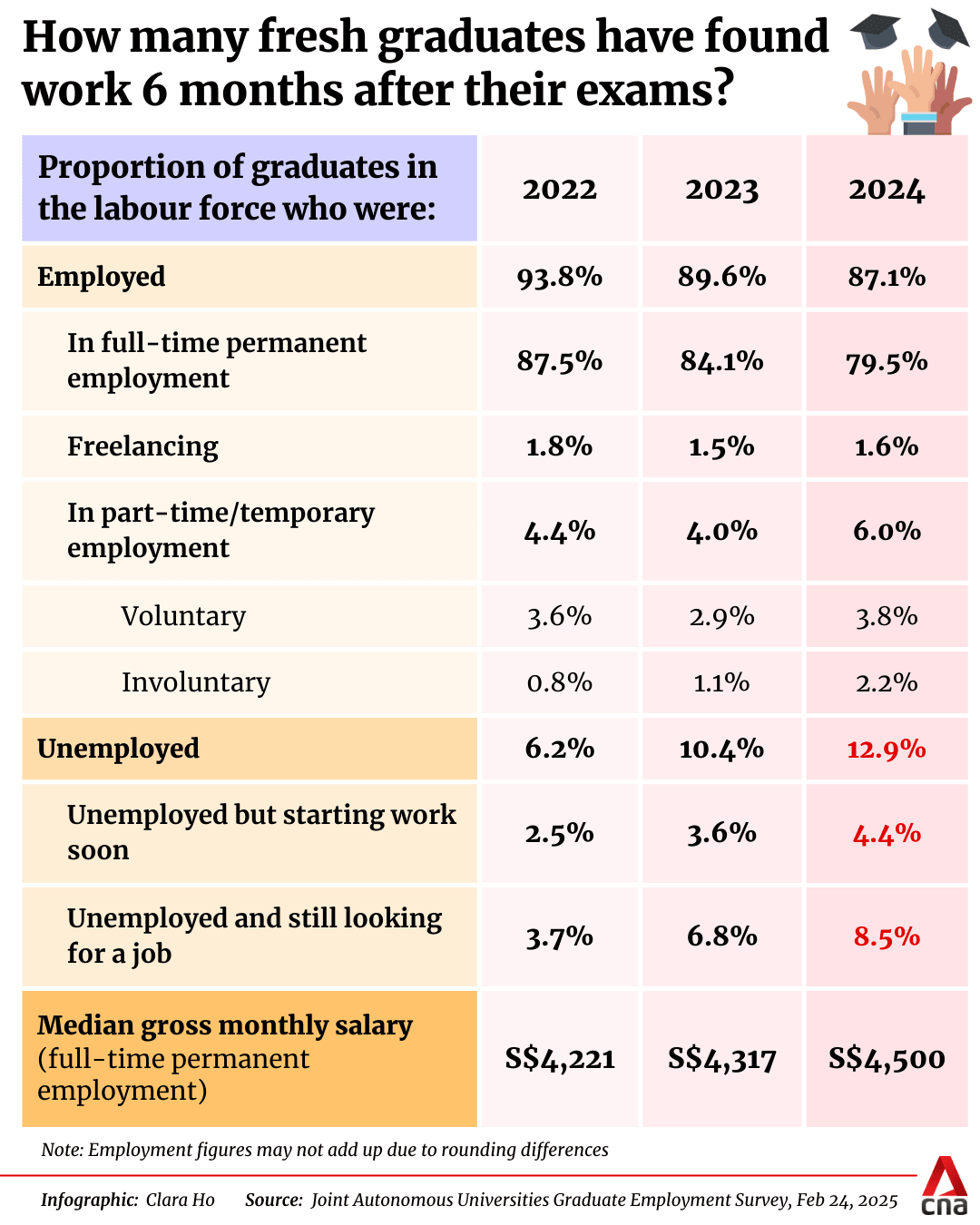
Crisp Fewer Fresh Graduates Found Work Within 6 Months In 2025; Median Salary Held Steady At S$4,500: Survey Photo Concept
Find inspiration with this unique fewer fresh graduates found work within 6 months in 2025; median salary held steady at s$4,500: survey illustration, crafted to provide a fresh look for your background.
Amazing Fewer Fresh Graduates Found Work Within 6 Months In 2025; Median Salary Held Steady At S$4,500: Survey Artwork Photography
Discover an amazing fewer fresh graduates found work within 6 months in 2025; median salary held steady at s$4,500: survey background image, ideal for personalizing your devices with vibrant colors and intricate designs.

Amazing Fewer Fresh Graduates Found Work Within 6 Months In 2025; Median Salary Held Steady At S$4,500: Survey Scene in HD
Discover an amazing fewer fresh graduates found work within 6 months in 2025; median salary held steady at s$4,500: survey background image, ideal for personalizing your devices with vibrant colors and intricate designs.
.jpg?itok=mRYEE8NF "Vivid Fewer Fresh Graduates Found Work Within 6 Months In 2025; Median Salary Held Steady At S$4,500: Survey Abstract Digital Art")
Vivid Fewer Fresh Graduates Found Work Within 6 Months In 2025; Median Salary Held Steady At S$4,500: Survey Abstract Digital Art
Transform your screen with this vivid fewer fresh graduates found work within 6 months in 2025; median salary held steady at s$4,500: survey artwork, a true masterpiece of digital design.

Spectacular Fewer Fresh Graduates Found Work Within 6 Months In 2025; Median Salary Held Steady At S$4,500: Survey Abstract for Mobile
Find inspiration with this unique fewer fresh graduates found work within 6 months in 2025; median salary held steady at s$4,500: survey illustration, crafted to provide a fresh look for your background.
Breathtaking Fewer Fresh Graduates Found Work Within 6 Months In 2025; Median Salary Held Steady At S$4,500: Survey Capture Nature
Explore this high-quality fewer fresh graduates found work within 6 months in 2025; median salary held steady at s$4,500: survey image, perfect for enhancing your desktop or mobile wallpaper.

Exquisite Fewer Fresh Graduates Found Work Within 6 Months In 2025; Median Salary Held Steady At S$4,500: Survey Landscape Illustration
Immerse yourself in the stunning details of this beautiful fewer fresh graduates found work within 6 months in 2025; median salary held steady at s$4,500: survey wallpaper, designed for a captivating visual experience.
Vibrant Fewer Fresh Graduates Found Work Within 6 Months In 2025; Median Salary Held Steady At S$4,500: Survey Scene Illustration
Explore this high-quality fewer fresh graduates found work within 6 months in 2025; median salary held steady at s$4,500: survey image, perfect for enhancing your desktop or mobile wallpaper.
Dynamic Fewer Fresh Graduates Found Work Within 6 Months In 2025; Median Salary Held Steady At S$4,500: Survey Design Art
Find inspiration with this unique fewer fresh graduates found work within 6 months in 2025; median salary held steady at s$4,500: survey illustration, crafted to provide a fresh look for your background.
Exquisite Fewer Fresh Graduates Found Work Within 6 Months In 2025; Median Salary Held Steady At S$4,500: Survey Scene for Your Screen
A captivating fewer fresh graduates found work within 6 months in 2025; median salary held steady at s$4,500: survey scene that brings tranquility and beauty to any device.

Beautiful Fewer Fresh Graduates Found Work Within 6 Months In 2025; Median Salary Held Steady At S$4,500: Survey Abstract for Desktop
Experience the crisp clarity of this stunning fewer fresh graduates found work within 6 months in 2025; median salary held steady at s$4,500: survey image, available in high resolution for all your screens.
Download these fewer fresh graduates found work within 6 months in 2025; median salary held steady at s$4,500: survey wallpapers for free and use them on your desktop or mobile devices.
Post a Comment for "Fewer fresh graduates found work within 6 months in 2025; median salary held steady at S$4,500: Survey"