Daylight saving time 2026: When to 'spring forward'
Daylight Saving Time 2026: When to 'Spring Forward' and What It Means for You
Ah, that familiar annual ritual! Just when you've finally settled into a comfortable rhythm, the clocks demand attention, poised to "spring forward" and disrupt our precious sleep. For many, the idea of losing an hour of sleep can evoke a collective groan, while others eagerly anticipate the promise of longer daylight evenings. As we inch closer to 2026, the question resurfaces: when exactly do we make the jump, and what ripple effects will this time shift have on our daily lives, from our morning commute to our evening unwind?
I remember one year, convinced I'd set all my clocks forward, only to arrive an hour early for a crucial Monday morning meeting – thanks to a stubbornly analog kitchen clock. That little moment of panic, followed by an unexpected hour of calm before the storm, perfectly encapsulates the mixed bag that is Daylight Saving Time. It's a tradition that sparks debate, affects our health, and, year after year, reminds us to double-check our devices. Let's dive into everything you need to know about the 2026 time change.
The Core Question: When Exactly Does DST 2026 Begin?
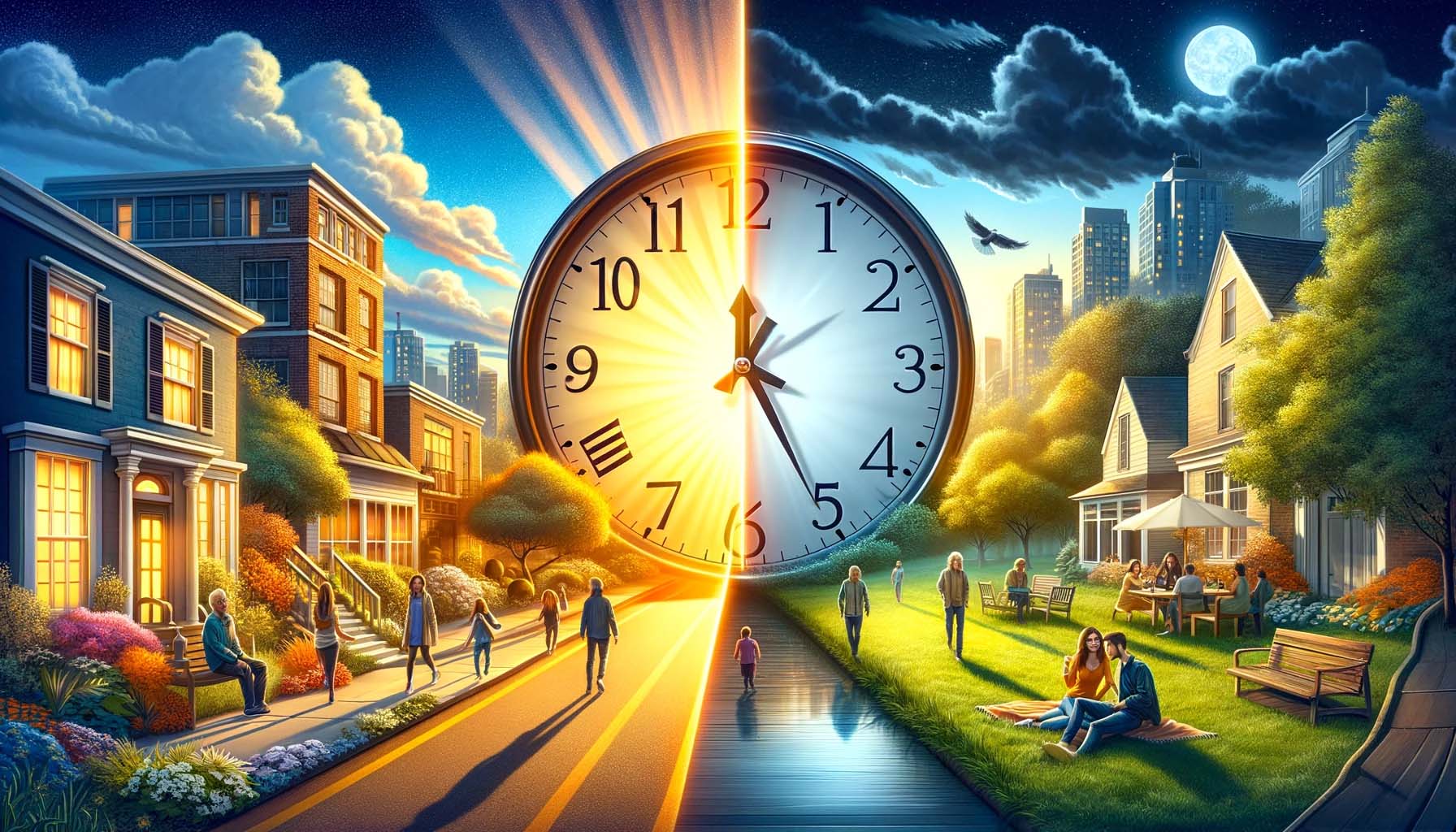
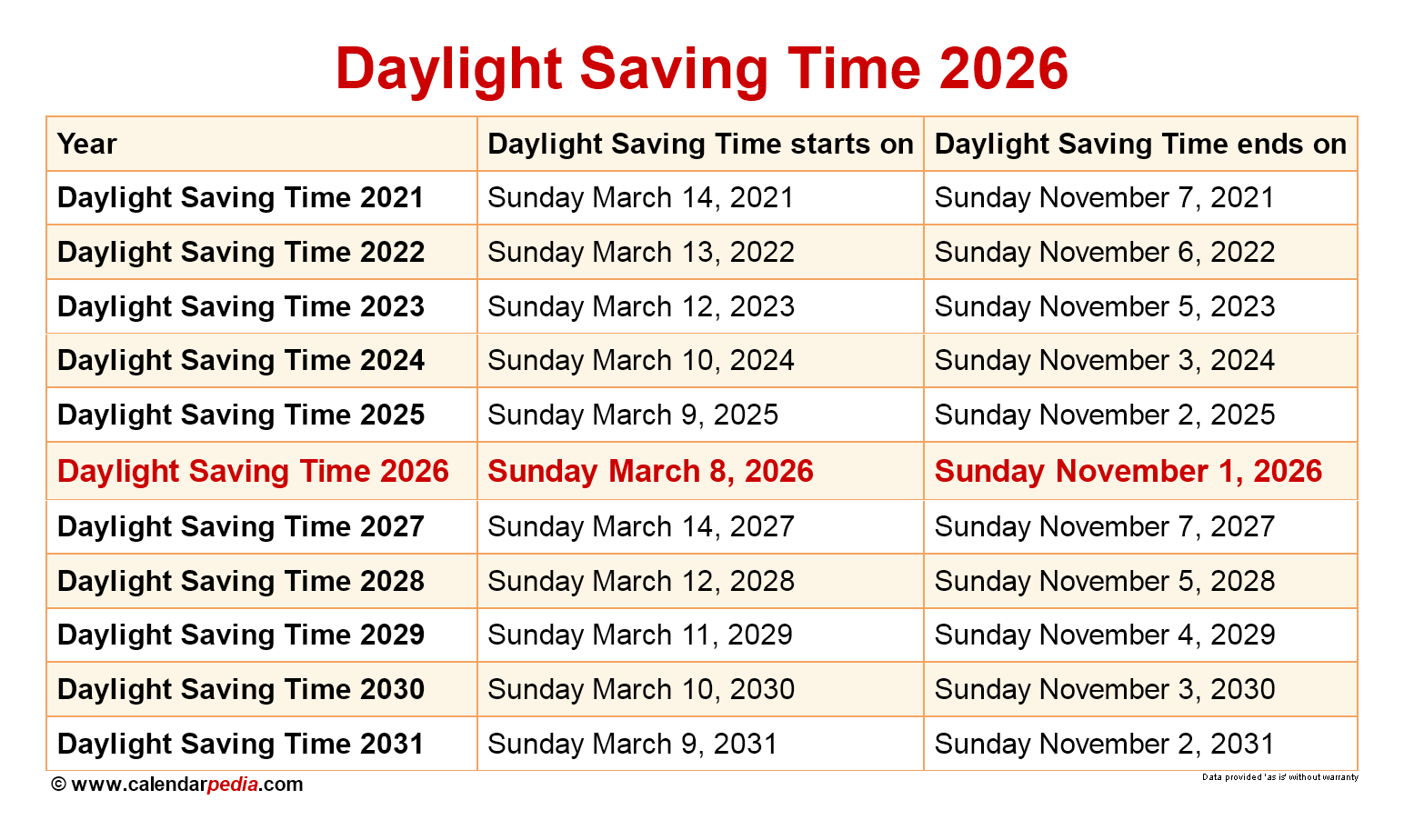
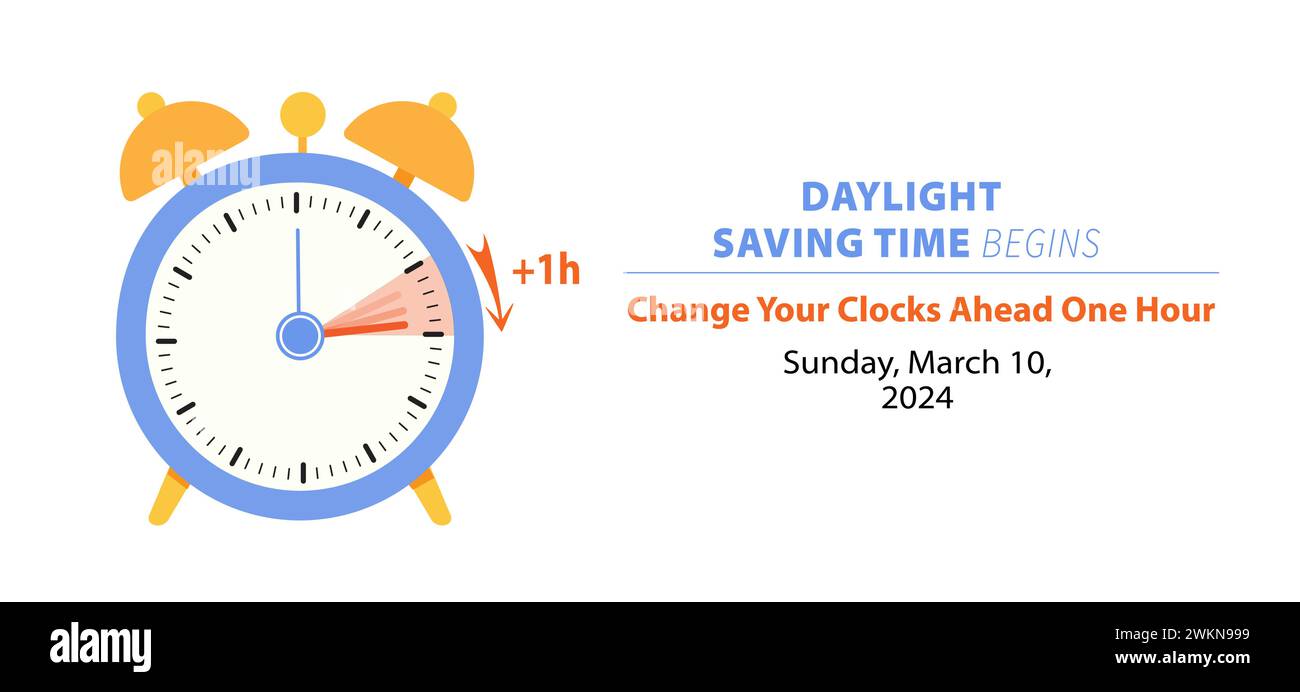
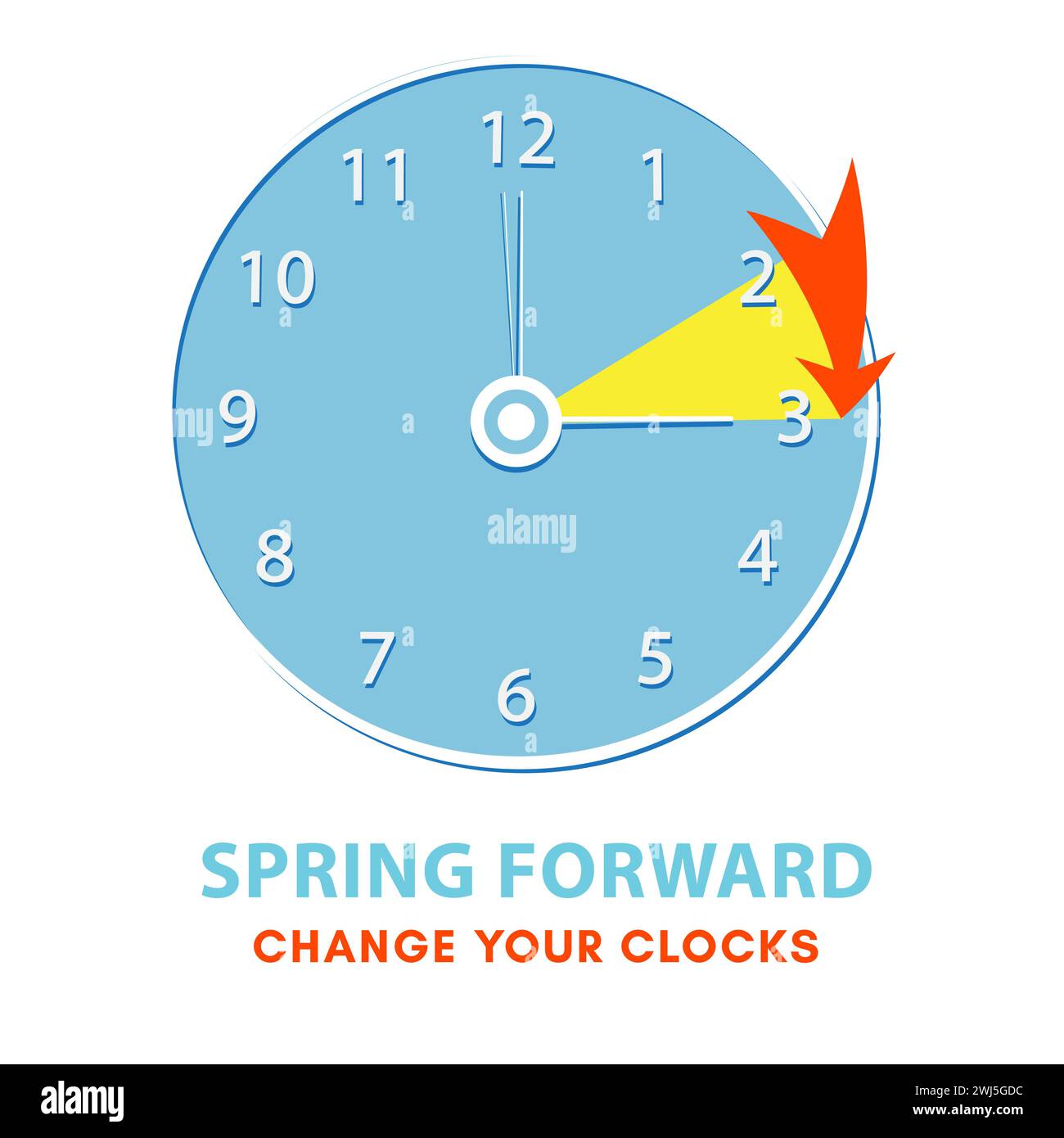
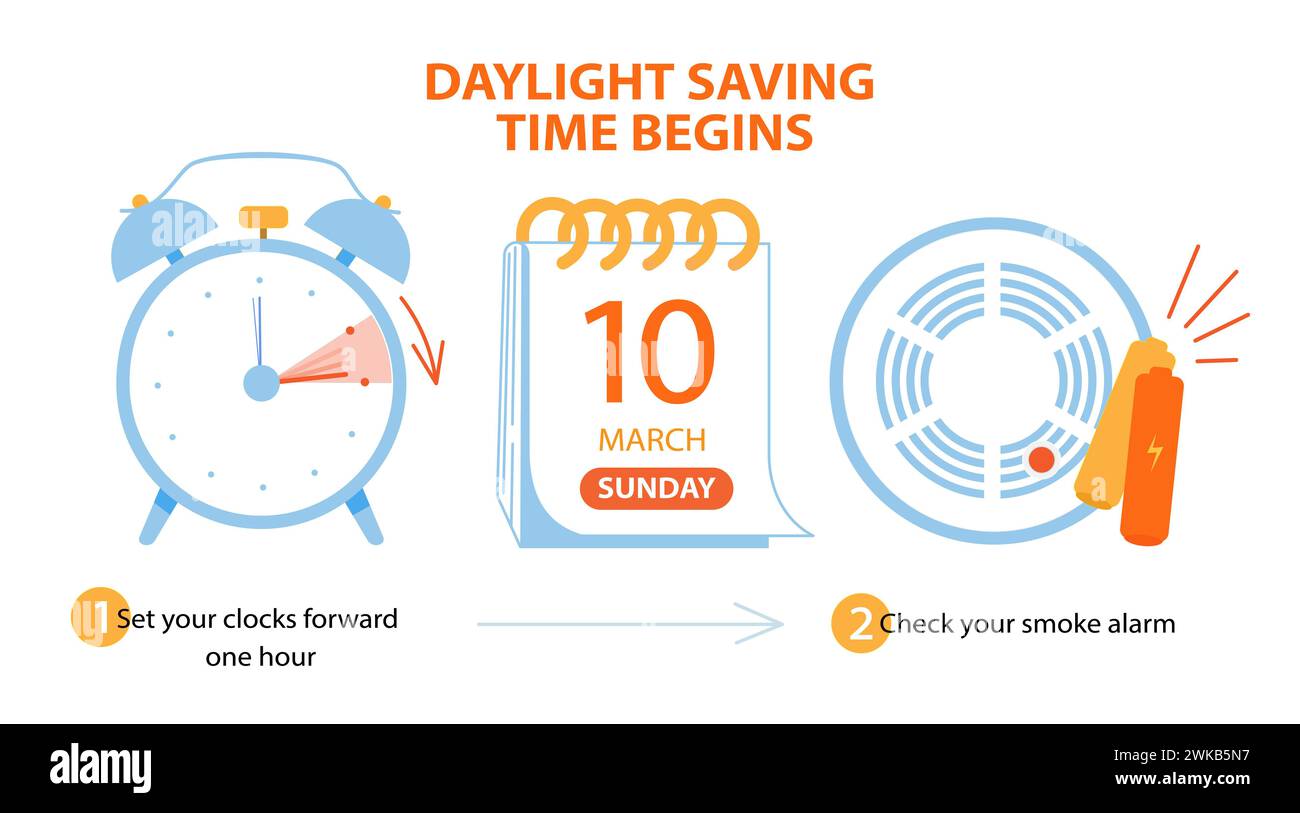
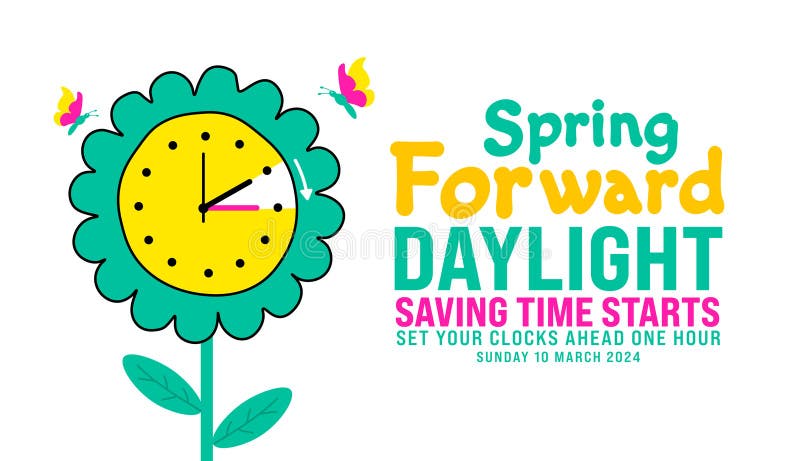
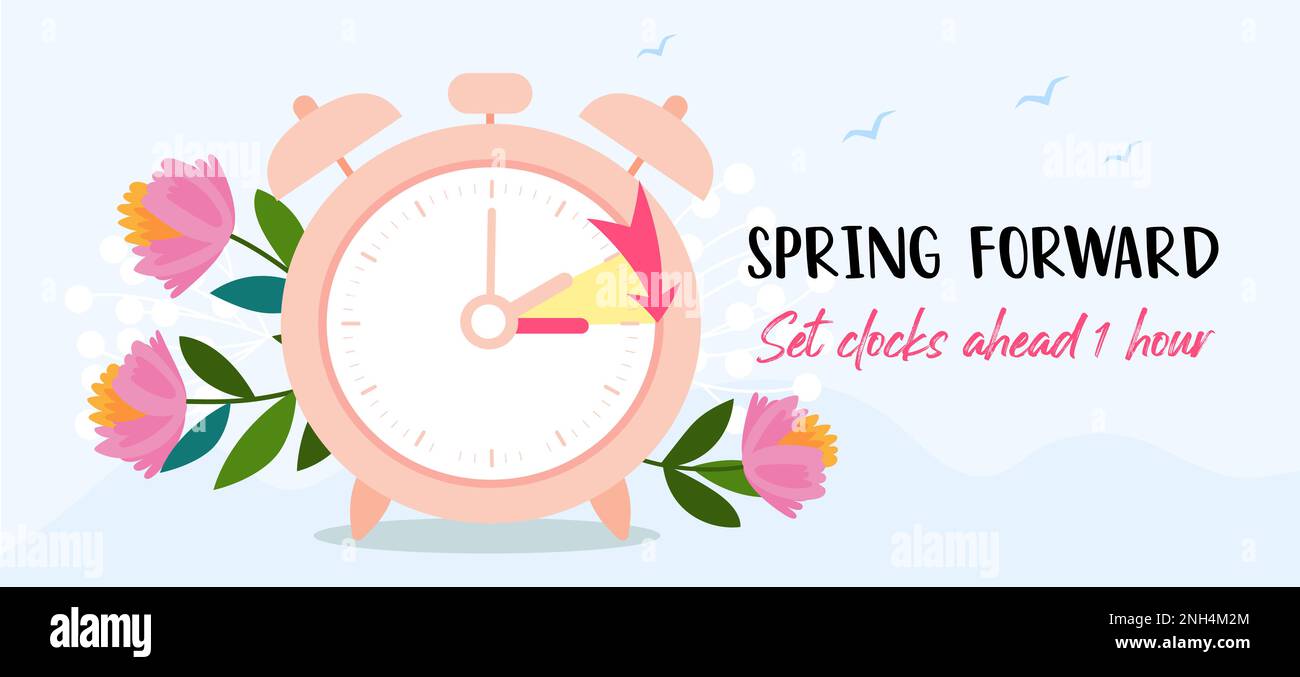
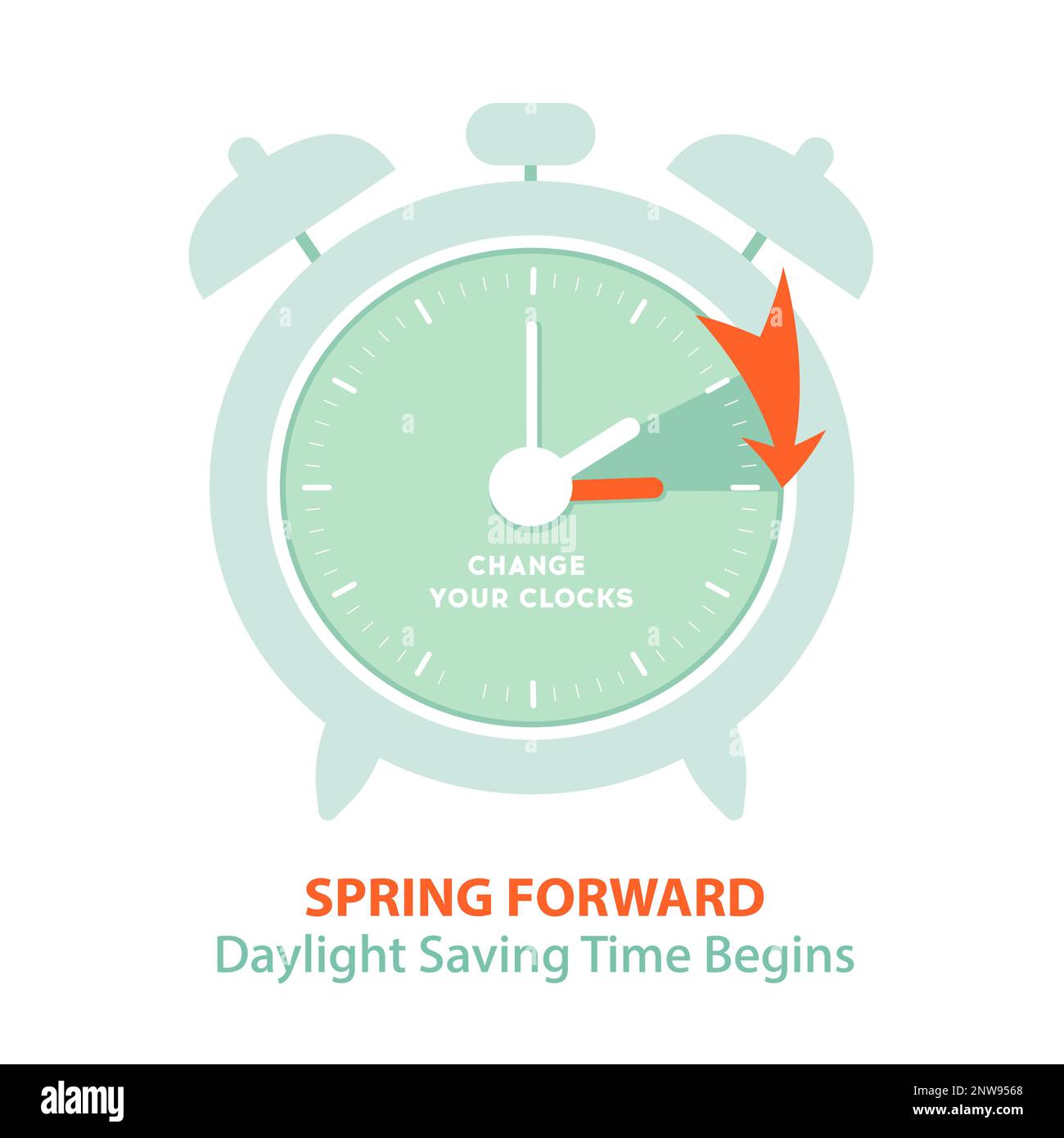
Mark your calendars and set your reminders! In the United States and Canada, Daylight Saving Time (DST) consistently begins on the second Sunday in March. For the year 2026, this means we will officially "spring forward" on Sunday, March 8, 2026, at 2:00 AM local time. At this precise moment, clocks will jump ahead one hour, instantly becoming 3:00 AM.
While most of our digital devices – smartphones, computers, and smartwatches – automatically adjust to this time shift, it's always wise to manually check any analog clocks, older appliances, or even your car's clock. This simple check can save you from an early morning scramble or, worse, being late for an important appointment. The shift means that sunrise and sunset will both be one hour later than they were the day before, effectively giving us more perceived daylight in the evening.
This annual clock adjustment affects millions, ushering in longer evenings, which many find beneficial for outdoor activities, after-work errands, and social gatherings. However, it also means a darker start to the day for those accustomed to earlier sunrises. Understanding the exact date and time allows you to prepare adequately and minimize any potential disruptions to your schedule and routine.
Why Do We Even Do This? A Quick Look at DST's History and Purpose
The concept of Daylight Saving Time is not a modern invention; its roots stretch back over a century, driven by various motivations that have evolved over time. Benjamin Franklin is often jokingly credited with the idea in 1784, when he suggested that Parisians could save money on candles by waking up earlier to utilize natural morning light. However, the modern implementation of DST truly began in the early 20th century.
Germany was the first country to implement DST on a national level in 1916 during World War I, with the primary goal of conserving coal and other resources for the war effort. The idea quickly spread to other nations, including the United Kingdom and the United States, as a measure to save energy during wartime. The logic was simple: by shifting an hour of daylight from the morning to the evening, people would use less artificial lighting after work and school, thus reducing electricity consumption.
Post-war, the practice became a patchwork, leading to significant confusion. This disarray prompted the U.S. Congress to pass the Uniform Time Act in 1966, standardizing the beginning and end dates of DST across the country. Over the decades, the purported benefits, particularly energy savings, have been heavily debated. Modern studies often show negligible, or even negative, impacts on energy consumption, with some research suggesting increased energy use due to air conditioning demands in the later afternoon.
Despite the ongoing debates and calls for its abolition or permanent adoption of either standard time or DST, the system persists in many parts of the world. Proponents continue to highlight the economic benefits for retailers, the boost to tourism, and the psychological uplift from extended evening daylight. Critics, on the other hand, point to health implications and the disruption it causes.
The Impact of "Springing Forward": What to Expect and How to Adjust
The single hour lost when we "spring forward" can have a surprisingly significant impact on our bodies and routines. While it might seem minor, our internal body clock, or circadian rhythm, is highly sensitive to changes in light exposure and sleep patterns. This sudden shift can lead to a phenomenon known as "social jet lag," mimicking the effects of traveling across a time zone.
Immediately following the time change, many people report feeling tired, groggy, and less productive. Studies have even linked the "spring forward" to a temporary increase in heart attacks and strokes, likely due to the stress placed on the body by sleep disruption. Accidents, both at work and on the road, also tend to see a slight uptick in the days after the change as people adjust to the altered light conditions and fatigue. School children and individuals with pre-existing sleep disorders can be particularly vulnerable to these disruptions.
However, with a bit of foresight, you can mitigate these negative effects and ease your transition into the new time. Here are some practical tips to help you adjust smoothly:
- Gradual Adjustment: Start shifting your sleep schedule by 15-20 minutes earlier each night in the days leading up to March 8th. This gradual change is less jarring for your body.
- Prioritize Sleep: Aim for extra sleep on Saturday night, March 7th. Even an extra 30 minutes can make a difference.
- Embrace Morning Light: On Sunday morning, expose yourself to natural light as soon as you wake up. This helps reset your circadian rhythm.
- Limit Caffeine and Alcohol: Avoid these stimulants, especially in the afternoon and evening, as they can interfere with sleep quality.
- Stick to a Routine: Maintain your regular meal times and exercise schedule. Consistency helps your body adapt.
- Stay Hydrated: Drink plenty of water throughout the day to combat fatigue and support overall well-being.
- Mind Your Meals: Eating dinner earlier on Saturday night can also help your body prepare for the shift.
While the initial few days might feel a little off, most people fully adapt to the new time within a week. The reward for enduring the adjustment is the return of those glorious, longer daylight evenings, perfect for outdoor activities, relaxation, and a general sense of optimism that often accompanies the arrival of spring.
Beyond 2026: The Ongoing Debate and Future of DST
As we navigate another cycle of "springing forward" in 2026, it's impossible to ignore the intensifying global debate surrounding the very existence of Daylight Saving Time. The call for either its permanent abolition or the adoption of permanent DST has grown louder, with various regions and legislative bodies weighing the pros and cons.
In the United States, numerous states have passed legislation to either opt out of DST or to make it permanent, contingent on federal approval. The "Sunshine Protection Act" has repeatedly been introduced in the U.S. Congress, aiming to establish permanent DST nationwide. Proponents of this move argue it would boost economic activity, improve public safety by reducing evening crime, and enhance mental health by providing more evening daylight, particularly during the darker winter months.
Conversely, critics of permanent DST advocate for a return to permanent standard time, citing concerns about darker winter mornings, which could impact children waiting for school buses and increase accident risks. They also point to the potential health benefits of aligning our internal clocks more closely with natural solar time.
Internationally, the European Union has deliberated ending seasonal time changes, with a proposal to allow member states to choose between permanent standard time or permanent DST. While a decision has been slow to materialize, the discussion highlights a global sentiment that the utility of these biannual shifts is increasingly being questioned in a modern, electrified world where the initial energy-saving arguments are less compelling.
Regardless of whether 2026 sees us continue this long-standing tradition or if future years bring a more permanent solution, one thing is clear: the conversation about how we manage our clocks and leverage natural light is far from over. Until a definitive change occurs, knowing when to "spring forward" remains an essential piece of information for planning your year and ensuring a smooth transition into longer, brighter evenings.
Daylight saving time 2026: When to 'spring forward'
Daylight saving time 2026: When to 'spring forward' Wallpapers
Collection of daylight saving time 2026: when to 'spring forward' wallpapers for your desktop and mobile devices.
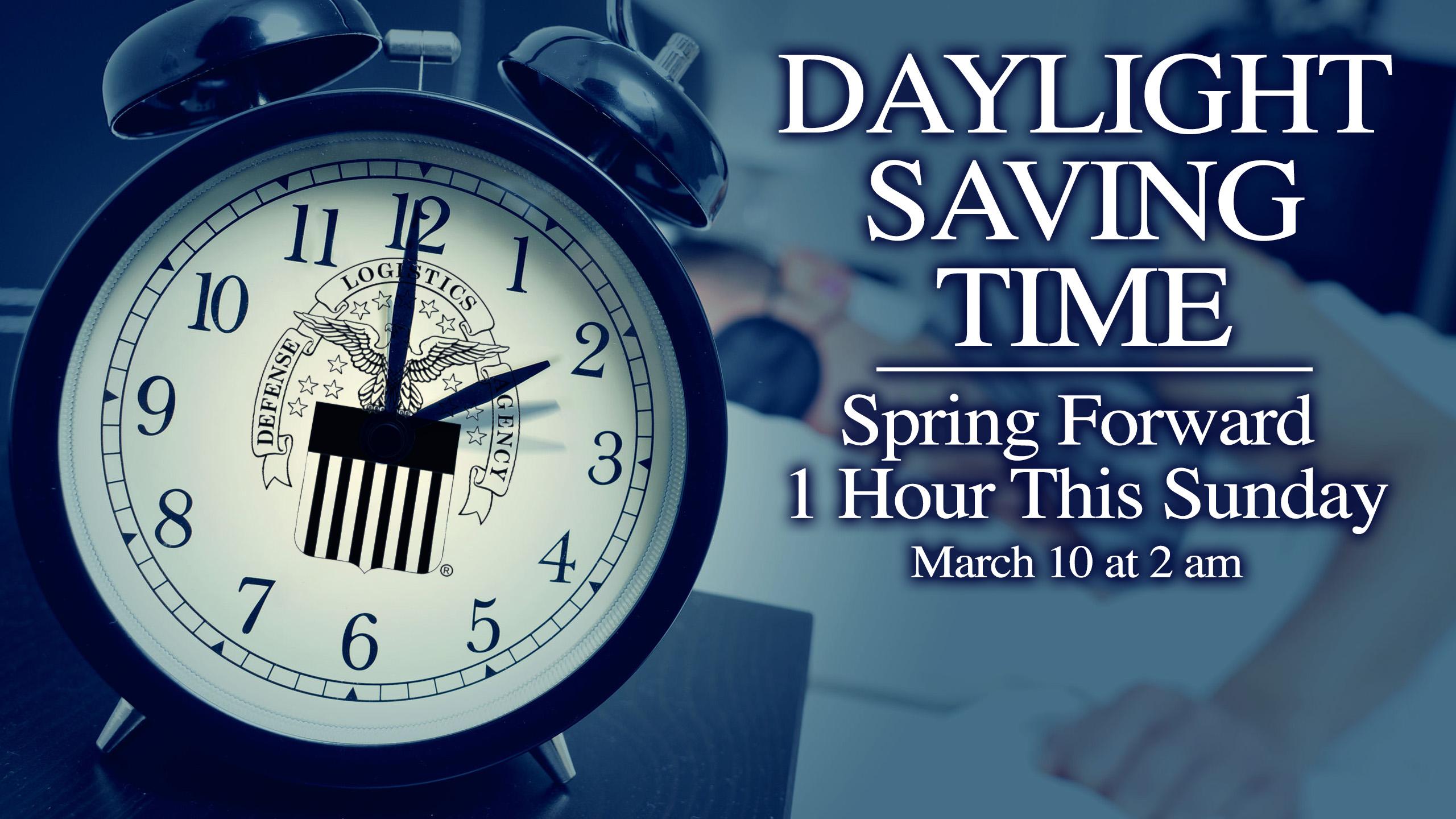
Exquisite Daylight Saving Time 2026: When To 'spring Forward' Design for Mobile
Immerse yourself in the stunning details of this beautiful daylight saving time 2026: when to 'spring forward' wallpaper, designed for a captivating visual experience.

Breathtaking Daylight Saving Time 2026: When To 'spring Forward' Abstract Photography
Transform your screen with this vivid daylight saving time 2026: when to 'spring forward' artwork, a true masterpiece of digital design.

Beautiful Daylight Saving Time 2026: When To 'spring Forward' Scene Nature
Experience the crisp clarity of this stunning daylight saving time 2026: when to 'spring forward' image, available in high resolution for all your screens.
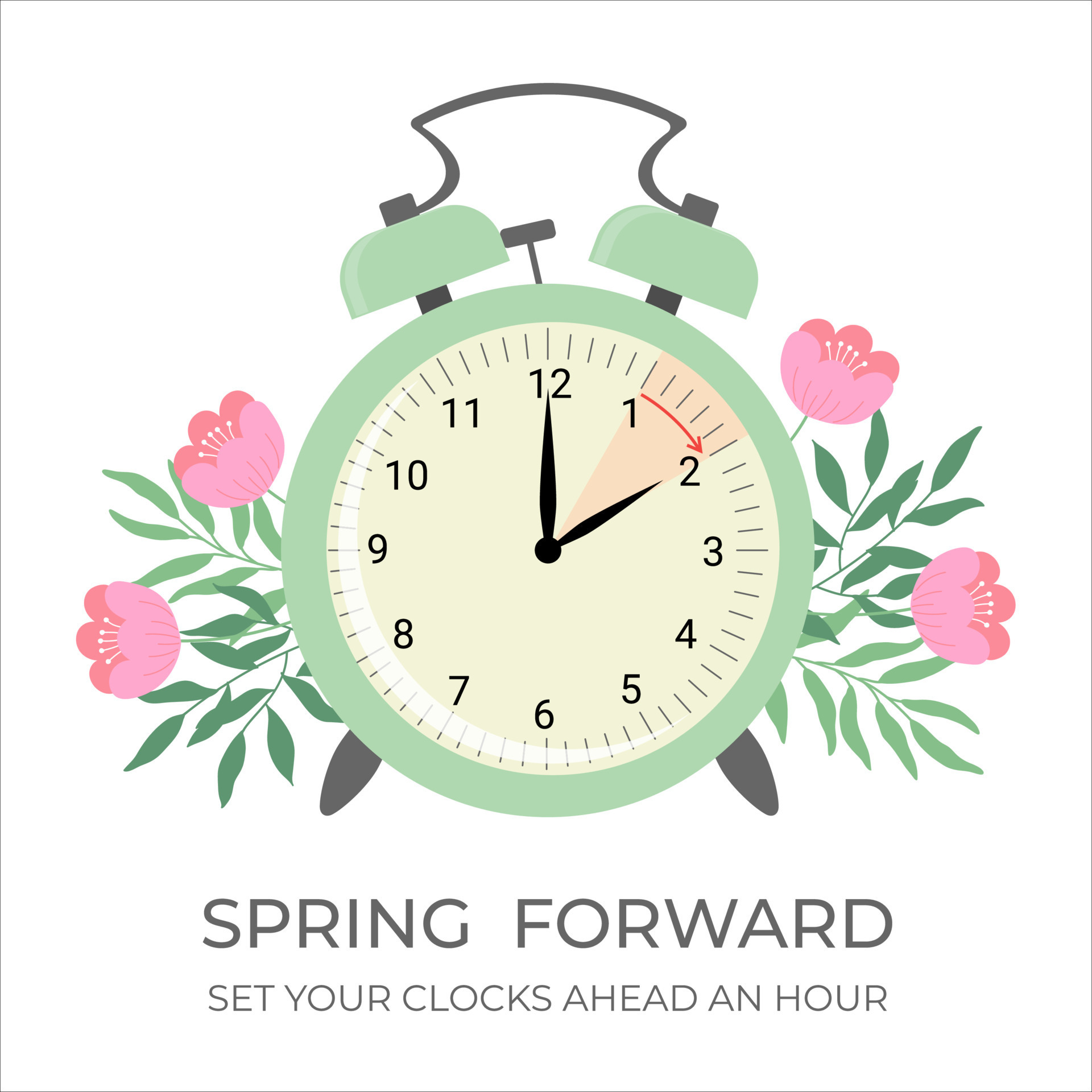
Breathtaking Daylight Saving Time 2026: When To 'spring Forward' View Photography
Explore this high-quality daylight saving time 2026: when to 'spring forward' image, perfect for enhancing your desktop or mobile wallpaper.
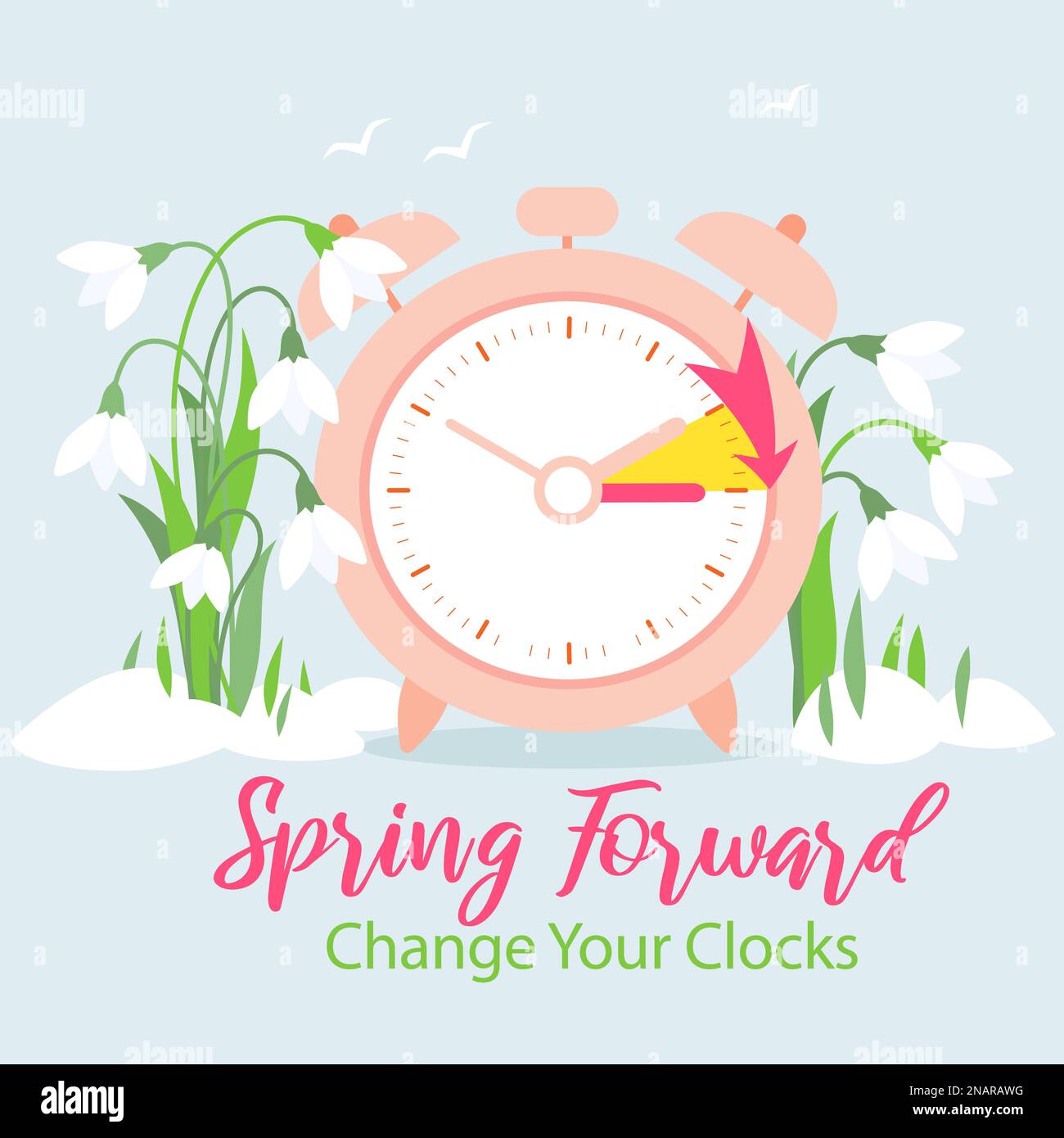
Gorgeous Daylight Saving Time 2026: When To 'spring Forward' Artwork Art
Immerse yourself in the stunning details of this beautiful daylight saving time 2026: when to 'spring forward' wallpaper, designed for a captivating visual experience.

Dynamic Daylight Saving Time 2026: When To 'spring Forward' Moment for Desktop
A captivating daylight saving time 2026: when to 'spring forward' scene that brings tranquility and beauty to any device.
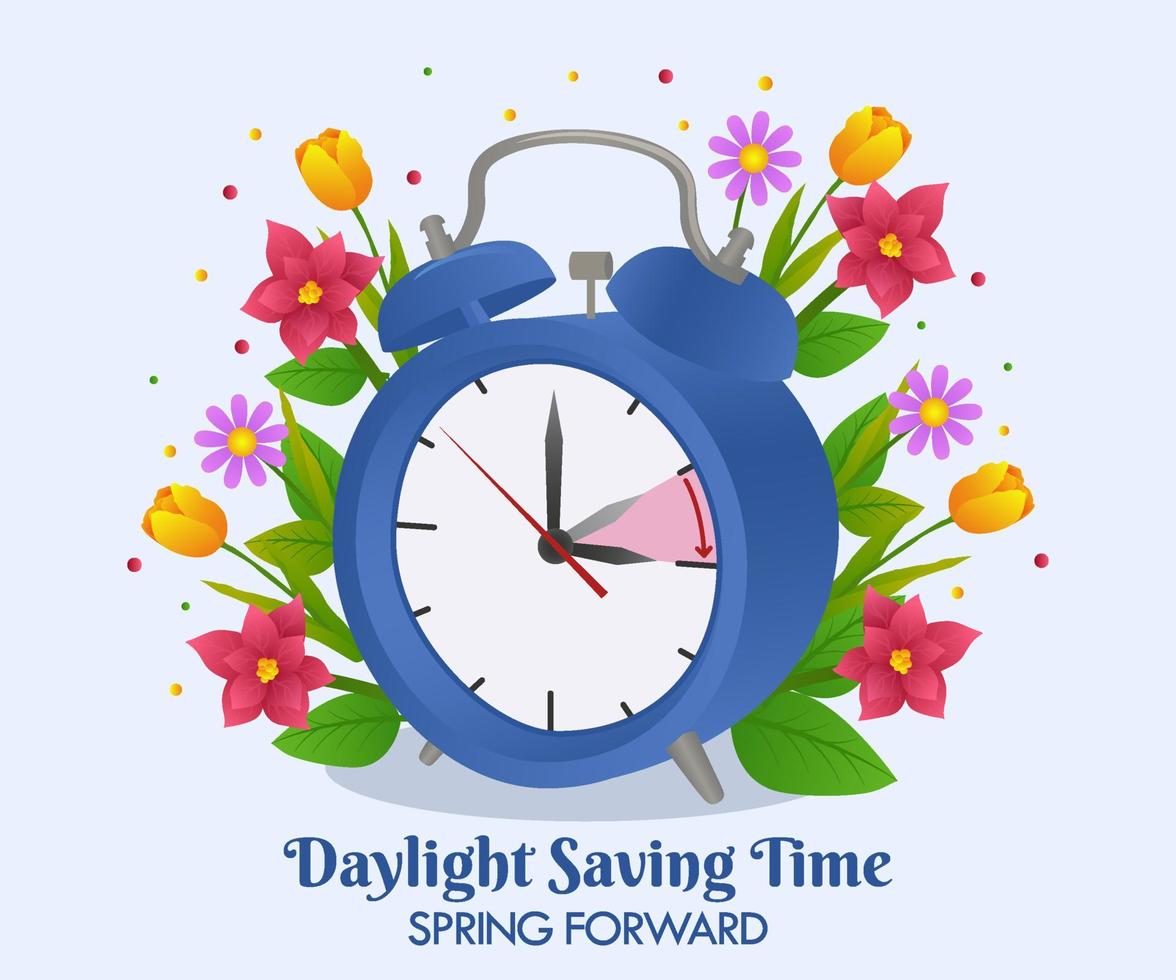
Mesmerizing Daylight Saving Time 2026: When To 'spring Forward' Abstract Collection
Explore this high-quality daylight saving time 2026: when to 'spring forward' image, perfect for enhancing your desktop or mobile wallpaper.
Breathtaking Daylight Saving Time 2026: When To 'spring Forward' Image in HD
Experience the crisp clarity of this stunning daylight saving time 2026: when to 'spring forward' image, available in high resolution for all your screens.
Spectacular Daylight Saving Time 2026: When To 'spring Forward' Photo Digital Art
Find inspiration with this unique daylight saving time 2026: when to 'spring forward' illustration, crafted to provide a fresh look for your background.

Exquisite Daylight Saving Time 2026: When To 'spring Forward' Design Concept
A captivating daylight saving time 2026: when to 'spring forward' scene that brings tranquility and beauty to any device.
Serene Daylight Saving Time 2026: When To 'spring Forward' Picture Art
Explore this high-quality daylight saving time 2026: when to 'spring forward' image, perfect for enhancing your desktop or mobile wallpaper.
Spectacular Daylight Saving Time 2026: When To 'spring Forward' Picture in 4K
This gorgeous daylight saving time 2026: when to 'spring forward' photo offers a breathtaking view, making it a perfect choice for your next wallpaper.
Amazing Daylight Saving Time 2026: When To 'spring Forward' Moment for Desktop
Discover an amazing daylight saving time 2026: when to 'spring forward' background image, ideal for personalizing your devices with vibrant colors and intricate designs.

Exquisite Daylight Saving Time 2026: When To 'spring Forward' Landscape Collection
Find inspiration with this unique daylight saving time 2026: when to 'spring forward' illustration, crafted to provide a fresh look for your background.

Exquisite Daylight Saving Time 2026: When To 'spring Forward' Picture for Mobile
Find inspiration with this unique daylight saving time 2026: when to 'spring forward' illustration, crafted to provide a fresh look for your background.
Mesmerizing Daylight Saving Time 2026: When To 'spring Forward' Capture Concept
Discover an amazing daylight saving time 2026: when to 'spring forward' background image, ideal for personalizing your devices with vibrant colors and intricate designs.
Breathtaking Daylight Saving Time 2026: When To 'spring Forward' Artwork for Desktop
Experience the crisp clarity of this stunning daylight saving time 2026: when to 'spring forward' image, available in high resolution for all your screens.
Lush Daylight Saving Time 2026: When To 'spring Forward' Abstract Nature
Find inspiration with this unique daylight saving time 2026: when to 'spring forward' illustration, crafted to provide a fresh look for your background.
Lush Daylight Saving Time 2026: When To 'spring Forward' Image Art
Immerse yourself in the stunning details of this beautiful daylight saving time 2026: when to 'spring forward' wallpaper, designed for a captivating visual experience.

Exquisite Daylight Saving Time 2026: When To 'spring Forward' View for Your Screen
Find inspiration with this unique daylight saving time 2026: when to 'spring forward' illustration, crafted to provide a fresh look for your background.
Download these daylight saving time 2026: when to 'spring forward' wallpapers for free and use them on your desktop or mobile devices.
Post a Comment for "Daylight saving time 2026: When to 'spring forward'"